Abnormal Pap, Negative HPV: Causes, Next Steps and Support
 Monte R. Swarup - MD, FACOG
 Monte R. Swarup - MD, FACOG
Getting an abnormal Pap result is stressful enough. But seeing “epithelial cell abnormality” next to “HPV negative” can make it even more confusing, because the result sounds serious but also unclear.
One result says some cervical cells looked unusual. The other says high-risk HPV was not found.
That is usually more reassuring than frightening, but it still needs the right follow-up. The exact Pap result, your history, and your provider’s plan matter most.
What Does Epithelial Cell Abnormality but HPV Negative Mean?
An epithelial cell abnormality but HPV negative result means some cells from the cervix looked different from normal under the microscope, but the HPV test did not find high-risk HPV.
Human papillomavirus is the main cause of many cervical cell changes, but it is not the only reason a Pap can look abnormal. Inflammation, infection, hormones, healing tissue, and benign cervical changes can also affect Pap test results.
So, abnormal cells need context. A negative HPV result is reassuring, but the exact type of abnormality still matters.
Why This Result Can Still Happen Even If HPV Is Negative
An HPV negative result means high-risk HPV was not detected at the time of testing. It does not explain every possible change in cervical cells. Common reasons:

- Inflammation or irritation: Recent sex, tampon use, douching, a pelvic exam, or local irritation can make cervical cells look reactive.
- Yeast or other infections: Yeast, bacterial vaginosis, trichomoniasis, or cervicitis can irritate cervical tissue and affect the sample.
- Hormonal changes: Pregnancy, menopause, low estrogen, or birth control changes can alter how cervical cells appear.
- Benign cervical changes: Polyps, healing tissue, or harmless gland changes can sometimes look abnormal on a Pap.
This is why your result should be read by a provider!
The Exact Pap Result Matters More Than Most Women Realize
“Abnormal Pap” is a category, not a full answer. The actual wording tells your doctor how closely to follow it.
1. ASC-US and Mild Changes
ASC-US means atypical Squamous cells of undetermined significance. Or, some cells look slightly off, but the cause is unclear. This is one of the most common abnormal results, and it is often mild.
A low-grade Squamous intraepithelial lesion, also called LSIL, means mild cell changes are present. LSIL is often linked with HPV infection, but a small number of people can have LSIL with a negative HPV test.
2. Higher-grade Changes
Some results need closer follow-up, even when HPV is negative. Especially atypical glandular cells, ASC-H, and high-grade Squamous intraepithelial lesions.
Higher-grade changes do not mean you have cancer cells. They mean the abnormal tissue needs a better look, usually through colposcopy and sometimes biopsy. But rare results, like Squamous cell carcinoma, need urgent medical evaluation.
Questions to Ask Your Doctor at Your Next Visit

A confusing result becomes much easier to handle when you ask the right questions.
- What exact abnormality was found?
- Was it ASC-US, LSIL, HSIL, AGC, or something else?
- How mild or concerning is this result?
- Could infection, hormones, or irritation explain it?
- Do I need repeat testing or colposcopy?
- When should my next Pap or HPV test happen?
- Do my past Pap test results change the plan?
What Happens Next After an Abnormal Pap but Negative HPV Test?
The next step depends on your age, your past results, and the exact abnormal Pap test wording. For mild results with negative high-risk HPV, your provider may recommend repeat cervical cancer screening later instead of immediate colposcopy.
If the Pap result is more concerning, colposcopy may still be recommended. During colposcopy, your doctor looks at the cervix with magnification and may take a biopsy from any area that looks abnormal.
Follow-through matters because Pap tests are screening tools. They flag possible cell changes, but they do not always give the final answer.
What You Can Do Right Now to Support Your Health
You cannot control every lab result, but you can control how you respond to it.
- Keep your follow-up appointment: Do not let an abnormal result sit in your portal without a plan.
- Ask for the exact result: “Epithelial cell abnormality” is too broad by itself.
- Support your immune system: Sleep, steady meals, movement, and stress control help your body handle health stress.
- Avoid smoking: Smoking works against cervical health and makes immune response less effective.
Once your medical plan is clear, daily wellness support can make more sense. At HPD Rx, we focus on physician-backed supplements designed to support immune health, cervical wellness, and overall women’s health.
Why Many Women Want More Than “Just Wait and Recheck”
“Wait and recheck” can be medically reasonable, but it can still feel hard to sit with. Many women want to do something useful while they follow their provider’s plan.
Daily support can help fill that waiting space in a more useful way. It does not replace Pap follow-up, colposcopy, biopsy, or treatment if your provider recommends them, but it can help you support your immune system and cervical wellness between appointments.
Why a Physician-Backed Approach Matters

When your Pap result says abnormal, the last thing you need is random internet advice or a cheap supplement with big promises. Cervical health deserves better than panic buying.
HPD Rx was founded by Dr. Monte Swarup, MD, FACOG, an OB-GYN with more than 20 years in women’s health. He has cared for women with HPV, abnormal Pap results, cervical cancer screening concerns, genital warts, and follow-up questions that rarely feel simple in real life.
That experience shapes how we talk about support. Medical follow-up comes first. Daily immune and cervical wellness support can fit around that plan when it makes sense.
For women looking for a more proactive routine, HPD Rx offers:
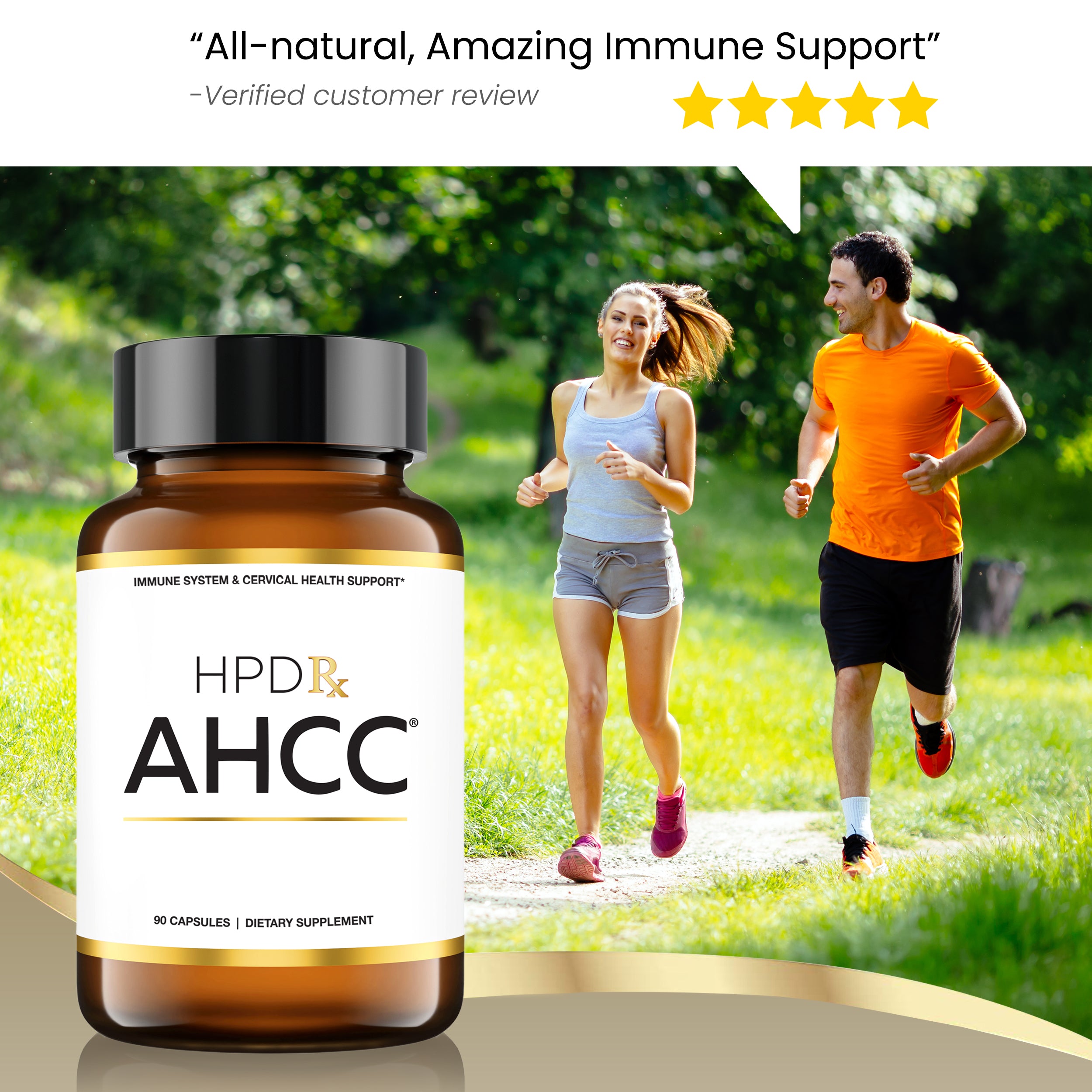
- AHCC®: Best for women most focused on immune support and normal immune response.
- PAPCLEAR: Best for foundational daily support across immune, reproductive, and overall wellness needs.
- HPD Rx ONE: Best for broader cervical and women’s wellness support with researched nutrients and antioxidants. The most complete cervical supplement offered by HPD Rx.