How Long Does HPV Last in Women?
 Monte R. Swarup - MD, FACOG
 Monte R. Swarup - MD, FACOG
Most HPV infections clear within one to two years, especially when the immune system does its job well. Some specific high-risk infections may last longer, which is why screening still matters.
We will go through that timeline clearly, so you can understand what is common and what deserves more attention.
Is HPV Lifelong in Women?
No, for most women, HPV is not lifelong and clears over time. The infections that deserve more attention are persistent HPV infections, the ones that keep showing up on repeat tests, especially with high-risk HPV types.
Even then, persistence does not automatically mean cervical cancer. It means the cervix needs closer screening because the same HPV virus has had more time to affect cervical cells.
How Long Does HPV Usually Last in Women?
Usually 12 to 24 months. A lot depends on the HPV type, the immune system, age, smoking, and a woman’s overall health.
High-risk infections tend to last longer than low-risk ones, and infections already present when testing starts often hang around longer than newer infections.
HPV Symptoms in Females

Most women feel nothing at all. The first clue comes from screening, not from a symptom.
When symptoms do show up, they usually depend on the HPV type and where the virus is affecting tissue.
-
Genital warts: soft bumps that may be small, flat, raised, or clustered around the vulva, vagina, cervix, or anus.
-
Itching or irritation: rubbing, irritation, or a general “something feels off” feeling around wart-affected skin.
-
Bleeding after sex: when the cervix is irritated or when there are cell changes that need follow-up.
-
Unusual discharge: changes in color, amount, or texture can sometimes show up when the cervix is inflamed or abnormal.
-
Pelvic discomfort: not common, but some women notice pressure or discomfort when cervical changes become more noticeable.
-
Throat-related symptoms: a sore throat, hoarseness, trouble swallowing, or ear pain can matter if oral HPV has affected the throat.
How Do Women Usually Find Out They Have HPV?
Only through a Pap smear or an HPV test during routine cervical screening.
That is what makes HPV feel so strange at first. You can feel completely normal, have no clear symptoms, and still get a positive result.
In many cases, the virus is picked up on screening long before it causes anything you would notice on your own.
What Affects How Long HPV Lasts?
One woman may clear HPV fairly quickly. Another may still be dealing with the same strain a year or two later. A few things can move that timeline.
-
HPV type: high-risk HPV types usually last longer than low-risk ones. HPV16 and HPV18 matter most because they are tied more strongly to cervical disease.
-
Immune system response: when the immune system is steady, the body usually has a better shot at clearing the virus.
-
Smoking and daily habits: smoking is one of the clearer risk factors for slower clearance. Poor sleep and low-quality nutrition do not help either.
-
Age and sexual history: younger women with more than one sexual partner had higher HPV acquisition in one follow-up data, and new exposure can complicate the picture.
-
Persistent infection: when the same high-risk type keeps showing up, the timeline gets longer, and follow-up matters more.
What Happens If HPV Does Not Go Away?
When HPV sticks around, doctors call that a persistent HPV infection.

The main concern is the same high-risk type showing up again and again over the years. That pattern can lead to abnormal cervical cell changes.
It still does not mean cancer is on the way. It means the cervix needs closer watching because the risk is higher than it is with a short-term infection.
|
Temporary HPV |
Persistent HPV |
|
Often clears within 12 to 24 months |
Lasts beyond that window or reappears repeatedly |
|
Common in sexually active women |
Less common, but more important clinically |
|
Often causes no symptoms |
Often causes no symptoms too |
|
Usually watched with routine screening |
Needs closer follow-up and repeat testing |
|
Lower long-term risk |
Higher risk of cervical cell changes over time |
This is why screening works so well. The delay between infection and serious disease gives doctors time to catch changes early and act before they become something larger.
What Should You Do If You Have HPV?
The first step is getting clear on what kind of result you actually have. A positive HPV test, a normal Pap, an abnormal Pap, and visible genital warts all point to slightly different next steps.
For most women, the next steps usually include:
-
Keep up with screening: follow the timing your clinician gives you for Pap tests and HPV testing.
-
Ask which HPV types were found: high-risk and low-risk strains matter for different reasons.
-
Take symptoms seriously: new warts, bleeding after sex, or throat symptoms deserve a real look.
-
Support the immune system: sleep, decent nutrition for HPV, smoking avoidance, and steady general wellness all matter.
This is also where HPV supplementation comes in for some women. The goal is not to replace screening or pretend a supplement can do a doctor’s job. The goal is to support immune health while the body works through the infection.
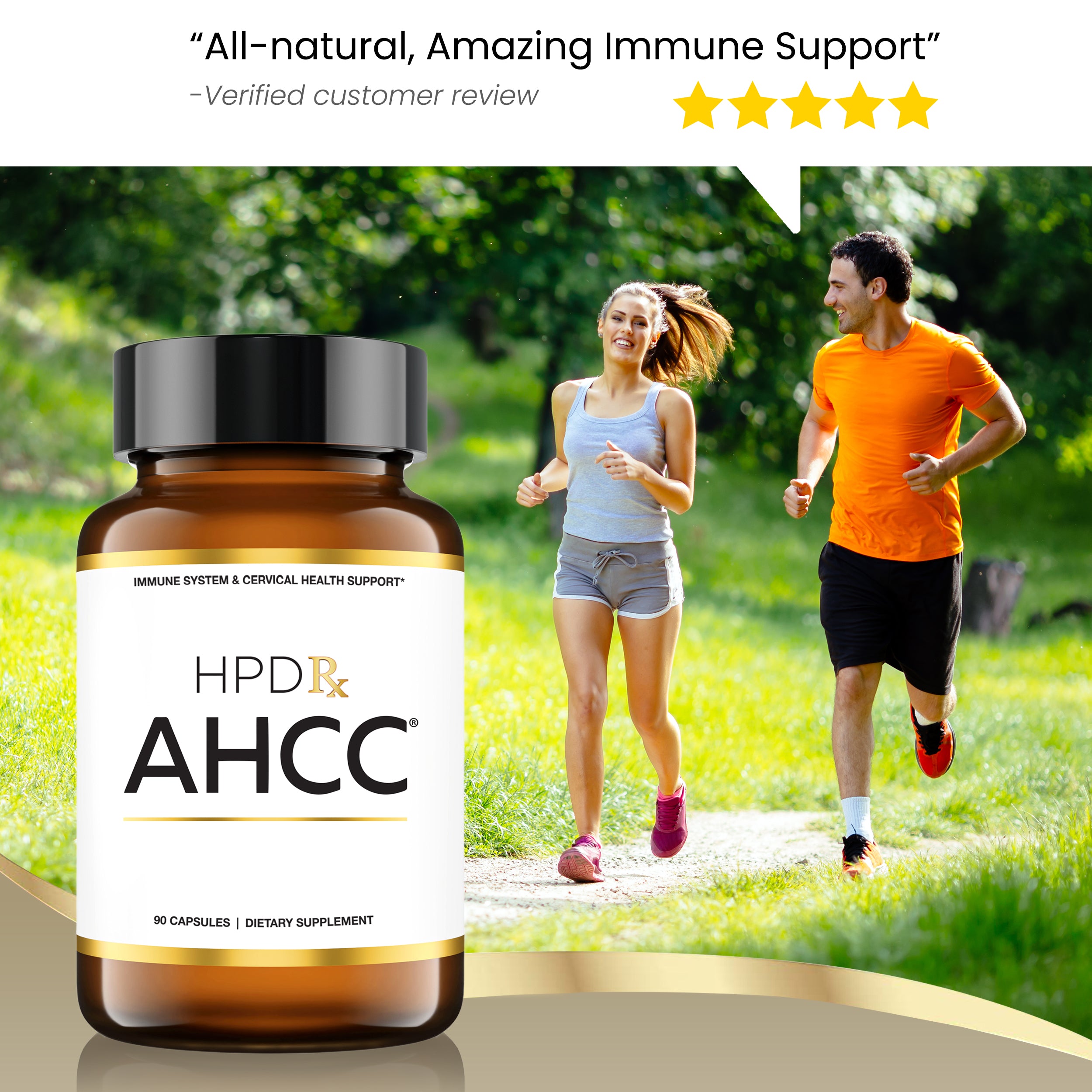
Our AHCC® is one of the main options women use for this, because it is the ingredient most closely studied for persistent HPV and is used to support natural killer cells, T-cell activity, and the kind of immune balance the body relies on when trying to clear the virus.
Supporting Female Immune Wellness With HPDRx

Sometimes the hardest part of HPV is feeling like all you can do is wait. That is one reason women look for extra immune support during follow-up.
At HPD Rx, we offer physician-formulated options built around that need:
-
AHCC®: Best for women who want the most focused option. When the goal is targeted immune support, especially during longer HPV follow-up. It centers on the ingredient most closely studied in persistent HPV.
-
PAPCLEAR: Best for women who want broader support without juggling several bottles. It brings together 21 researched nutrients and antioxidants in one formula.
-
HPD Rx ONE: Best for women who want the most complete daily formula. With 31 researched nutrients and antioxidants, it is the stronger fit when you are looking for wider nutritional support.