Is HPV Lifelong? How Long HPV Lasts and When to Pay Attention
HPV feels scary mostly because it is hard to tell what happens next.
It’s a common sexually transmitted infection, and most HPV infections clear on their own within one to two years, especially in people with a healthy immune system.
A smaller group lasts longer, which is why follow-up matters. During that time, many women also look for practical ways to support their immune health and overall wellness.
Is HPV Lifelong?
Usually, no. For most people, HPV is only temporary.
The HPV virus often clears before it causes major problems, and many people never even know they had it.
The part that needs more attention is persistent HPV, especially high risk HPV infections that stay in the body and keep showing up on HPV tests.
That still does not mean cervical cancer. It means the infection needs closer follow-up and a steadier plan.
USEFUL READ: Are You Born With HPV or Do You Get It Later?
How Long Does HPV Usually Last?

12-24 months for 90% of people, but this varies a lot by person, HPV type, and immune response.
Many newer infections clear within months. A lot are gone by the one to two-year mark.
In one 2008 test, incident infections for any HPV had a median clearance time of about 7.1 months, while prevalent infections took longer, with a median of about 8.2 months and a mean closer to 18.6 months. High-risk types usually lasted longer than low-risk ones.
A simple timeline looks like this:
-
First months: often no symptoms, so genital HPV infection is usually found only on cervical screening.
-
Up to 2 years: most HPV infections clear during this window.
-
Beyond that: persistent cases need closer follow-up, especially with high risk HPV infections.
Why Some HPV Infections Last Longer
Because of the HPV type, the immune system, and personal health.
HPV-16, HPV-33, HPV-58, HPV-39, HPV-35, and several other high-risk types have shown longer average duration than many low-risk types.
Coinfections can also drag things out. In the same long-term cohort mentioned above, HPV-16 lasted longer when it showed up with other types than when it appeared alone.
Smoking, immune suppression, and other risk factors can slow clearance, too.
Supporting the body during this time matters too, which is why many women look at HPV supplementation:
-
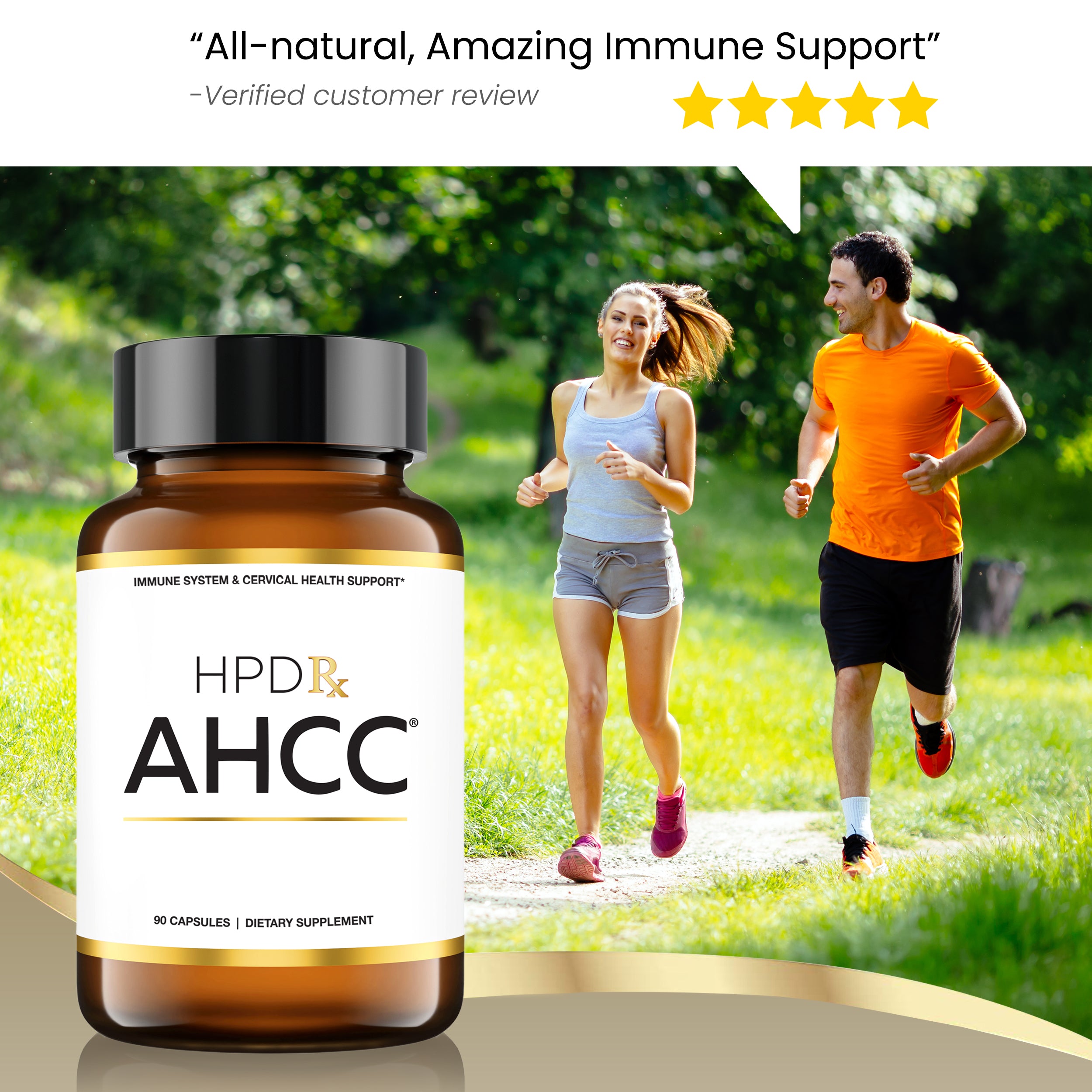
Our AHCC® HPV supplement is one of the more focused options for women who want extra immune support while monitoring HPV.
-
For broader support, our PAPCLEAR and HPD Rx ONE formulas bring together researched nutrients and antioxidants in one place.
Can HPV Stay Dormant for Years?
Yes, HPV can become inactive or undetectable for a long time.

That is what many doctors mean when they say dormant HPV or HPV latent infection. The latency literature describes HPV as a virus that can enter a reversibly nonproductive state in cells, with later reactivation or recurrent detection.
So, a later positive result does not automatically mean a brand-new infection. It may mean an older infection became detectable again, or it may mean the virus was present at a low level and was not picked up earlier.
Dormant HPV vs Active HPV
|
HPV status |
Dormant HPV |
Active HPV |
|
What it means |
The virus is quiet or below test detection |
The virus is active enough to show up on HPV tests |
|
Symptoms |
Usually none |
Usually none too, but it may be tied to genital warts or abnormal cells |
|
Screening |
May test negative for a while |
More likely to show on cervical screening |
|
What it tells you |
Timing is hard to pin down |
Follow-up matters based on the HPV status and cell changes |
What Does It Mean If HPV Does Not Go Away?
When HPV does not clear, doctors call that persistent HPV. This usually means the same specific genotype keeps showing up on repeat tests over time.
Persistent high-risk HPV matters more than a short-term infection because it has more time to affect cervical cells. The part worth remembering is this: persistence does not equal HPV related cancers. It means follow-up matters more.
In one 2025 cohort, women with HPV and cervical dysplasia who did not receive treatment still had a 46.3% persistence rate at 12 months. In women who did receive treatment, persistence at 12 months was 33.3%.
HPV-16 was especially sticky in that study, with very high persistence at 6 months and continued persistence at 12 months.
What You Should Do If You Have HPV

The basics first, always. Keep up with Pap tests, HPV tests, and whatever timeline your healthcare provider gives you.
Ask what type was found, whether your cervical screening was normal or abnormal, and whether your results point to short-term follow-up or something more watchful. That gives you a much clearer picture than trying to decode every symptom or Google result at 2 a.m.
Then look at the things that help your body stay steady…
Of course. Here’s that section in bullets:
-
Sleep: Your immune system works better when your body is actually rested.
-
Smoking, but in the wrong direction: It can make HPV last longer and make it harder for cervical cells to recover normally.
-
Nutrition: When the body is underfed or running on low-quality food, immune support usually is not where it should be.
-
Stress: It can affect recovery, sleep, and overall health.
-
The HPV vaccine for prevention: It helps lower the risk of future infection with important high-risk types, even though it does not clear a current one.
Some women also add immune support to the bigger plan. At HPD Rx, we offer AHCC® for more focused immune support, PAPCLEAR for broader cervical and immune support, and HPD Rx ONE for a wider daily formula both with researched nutrients and antioxidants.
Supporting Your Wellness Journey With HPD Rx

When HPV hangs around, a lot of women want something practical they can add while they keep up with screening.
That is the idea behind HPD Rx.
Our company was founded by Dr. Monte Swarup, a women’s health physician who has worked in women’s health for over 20 years and has performed thousands of Pap tests while caring for patients with HPV, abnormal Paps, and genital warts.
For women with HPV, we currently offer support supplementation:
-
HPD Rx AHCC® with a simple formula with 550 mg of AHCC from shiitake mushroom mycelia extract plus 550 mg of shiitake fruiting body extract.
-
PAPCLEAR with 21 researched nutrients and antioxidants. There are B5, B12, C, D3, and E, some minerals, including zinc and selenium, and important phytonutrients.
-
HPD Rx ONE goes wider with 31 researched nutrients and antioxidants. With vitamin C, vitamin D3, vitamin E, folate, zinc, selenium, lycopene, diindolylmethane, and shiitake, the body’s natural response to HPV.